


Vicking Date
"AI Generative | Coherent workflow"
Designing a AI character is one thing.
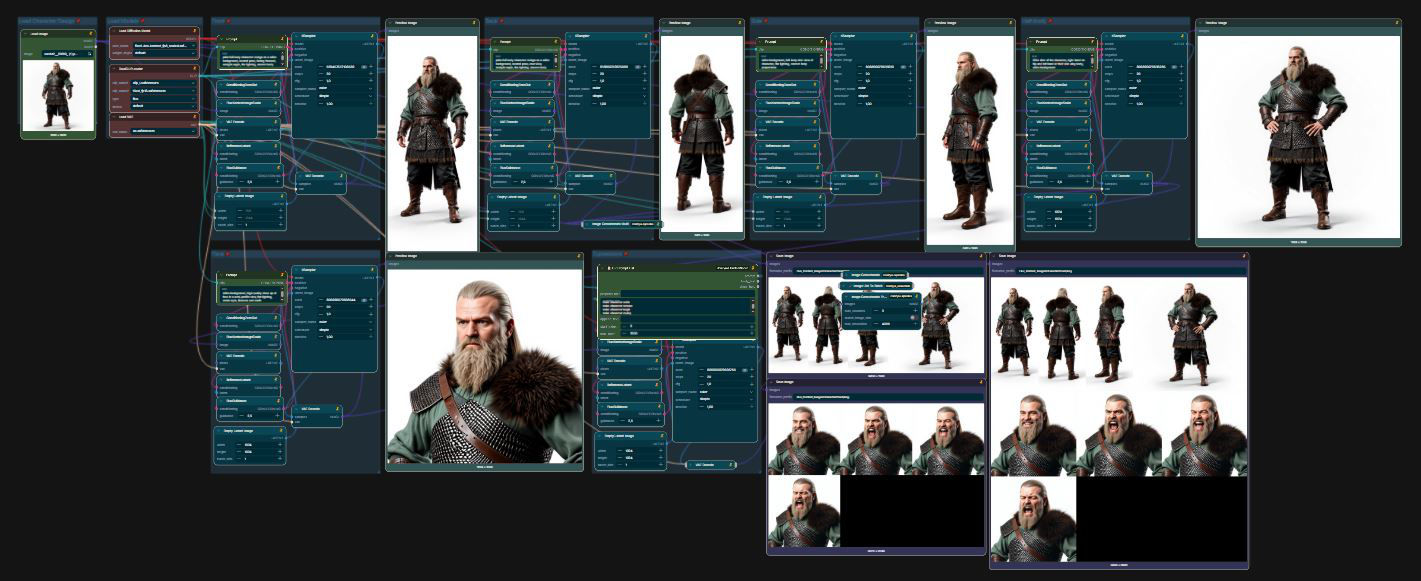
Staging them with clear intent—locally, efficiently, and with full creative control—is what truly brings them to life. In my workflow, every detail is crafted on my machine, ensuring precision, consistency, and a seamless fit for casual games and data-driven game art.
How I Work (100% Local, 100% Intentional)
1 Define the Visual Identity Locally Before I even start designing, I establish the core of the character: Who are they? What’s their role in the game universe? These questions guide every local decision—from their outfit to their accessories. For example, a cyberpunk hacker won’t share the same aesthetic as a neo-retro casino dealer—every detail must reinforce their story and purpose.
2 Iterate on Poses and Expressions (All On-Machine) A character isn’t just a static image—they’re a range of emotions and movements. I refine poses and expressions locally, ensuring they remain recognizable and credible from any angle. My goal? To make them as expressive in 3D as they are in 2D, without relying on external tools.
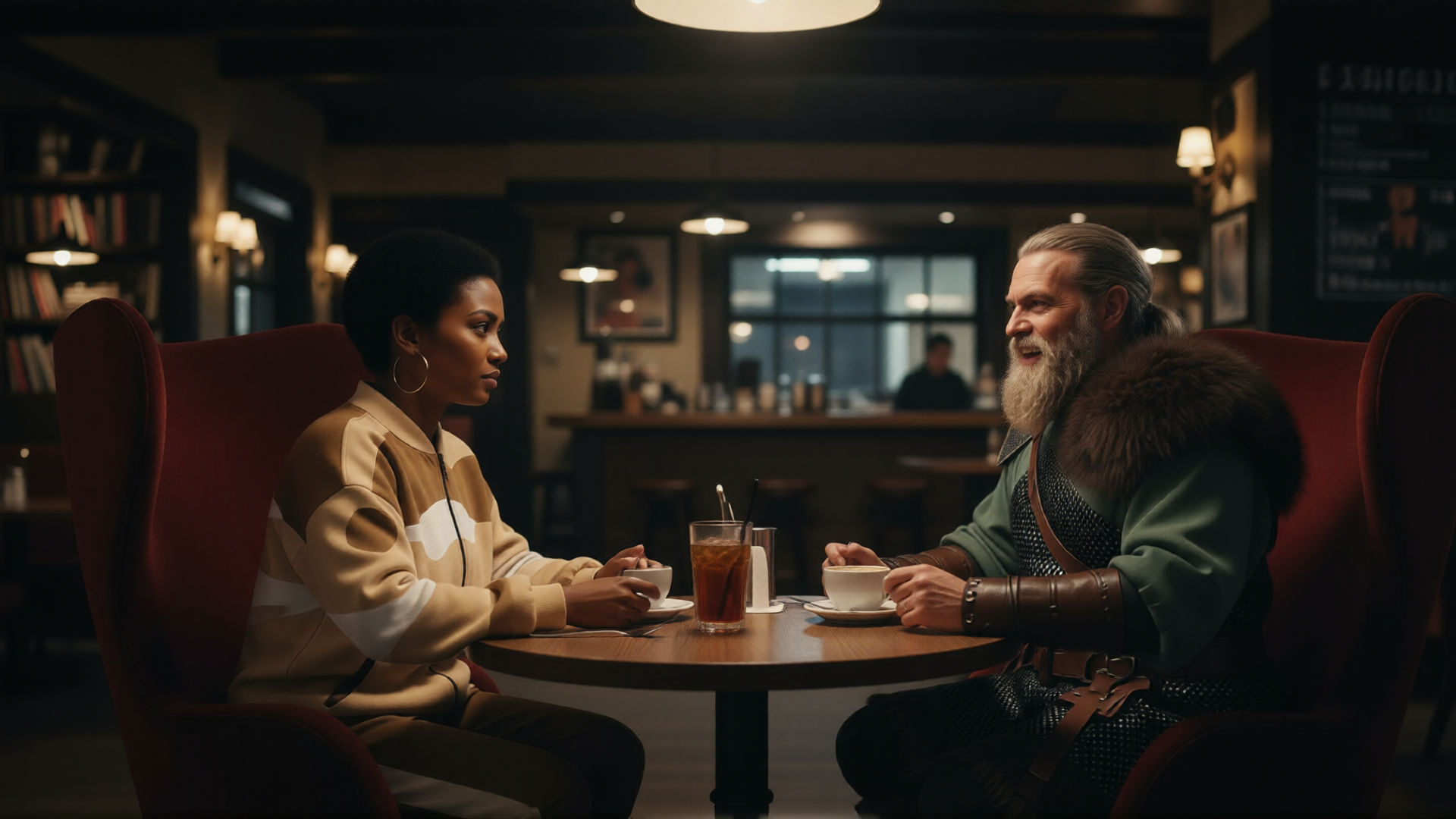
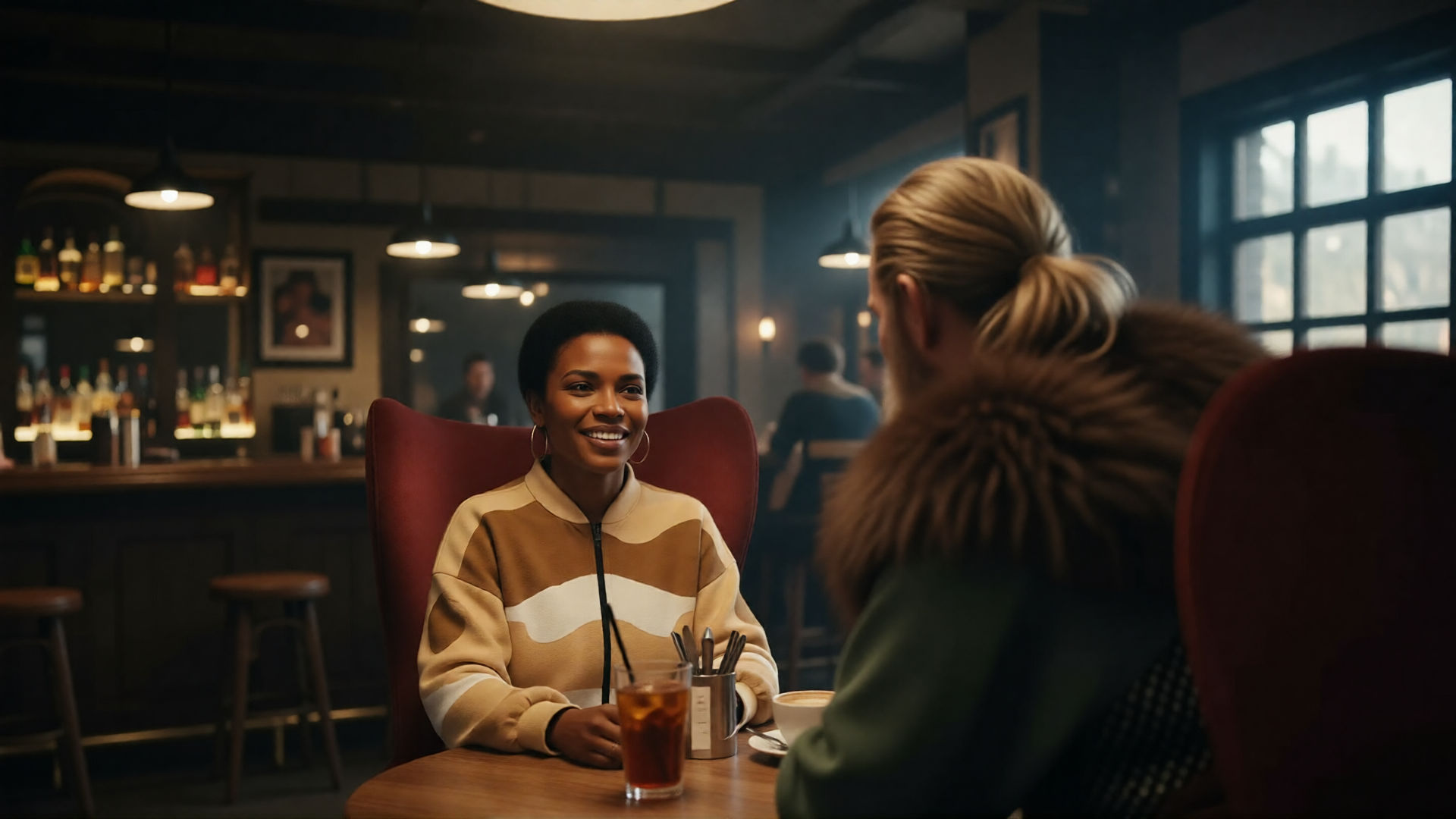
3 Staging and Camera Intent (Calculated Locally) The real magic happens when the character steps into their environment. I plan each shot like a film director—which framing highlights their attitude? How does lighting shape the mood? A low-angle shot for a powerful hero, a close-up on their hands to emphasize tension—everything is calculated locally for maximum impact.
4 360° Consistency (All Files, All Local) For casual games, consistency is king. I ensure every element—textures, shadows, props—aligns perfectly with the game’s universe. A character must live in their world, not just stand in front of it. My local workflow guarantees that every asset is cohesive and optimized for performance.
The Local Advantage
I use local AI tools to speed up iterations—exploring design variations and poses rapidly—then refine manually to maintain full artistic control. No cloud dependency, no compromises.
What You See in the Images
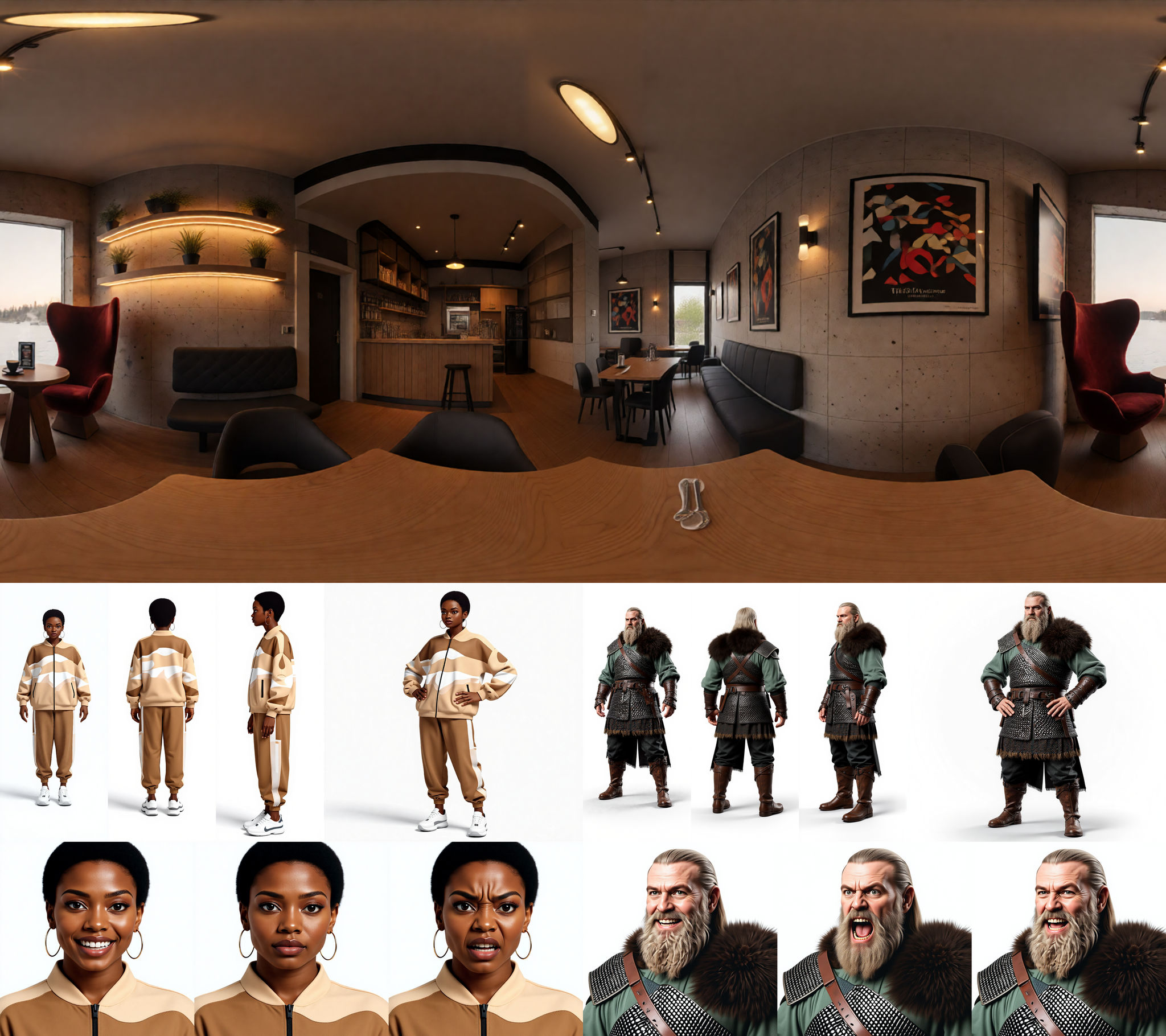
Top: An immersive scene (like a cozy bar or a cyberpunk alley) where every detail enhances the atmosphere—all rendered and staged locally.
Middle: Characters with cohesive outfits and accessories, tested in varied poses—all iterations done on my machine.
Bottom: Exaggerated facial expressions to push emotional clarity—refined locally for maximum impact.
Why This Workflow?
Because a great character doesn’t just exist—they live, breathe, and interact within their world. And with a fully local process, I capture that life with precision, efficiency, and creative freedom.
How do you ensure consistency in your local workflow for casual games or data-driven art? Drop your tips below—I’d love to hear how you optimize your process! ????
hashtag#CharacterDesign hashtag#GameDev hashtag#LocalWorkflows hashtag#CasualGames hashtag#DataDrivenArt hashtag#Cyberpunk hashtag#NeoRetro hashtag#IterativeDesign
Staging them with clear intent—locally, efficiently, and with full creative control—is what truly brings them to life. In my workflow, every detail is crafted on my machine, ensuring precision, consistency, and a seamless fit for casual games and data-driven game art.
How I Work (100% Local, 100% Intentional)
1 Define the Visual Identity Locally Before I even start designing, I establish the core of the character: Who are they? What’s their role in the game universe? These questions guide every local decision—from their outfit to their accessories. For example, a cyberpunk hacker won’t share the same aesthetic as a neo-retro casino dealer—every detail must reinforce their story and purpose.
2 Iterate on Poses and Expressions (All On-Machine) A character isn’t just a static image—they’re a range of emotions and movements. I refine poses and expressions locally, ensuring they remain recognizable and credible from any angle. My goal? To make them as expressive in 3D as they are in 2D, without relying on external tools.
3 Staging and Camera Intent (Calculated Locally) The real magic happens when the character steps into their environment. I plan each shot like a film director—which framing highlights their attitude? How does lighting shape the mood? A low-angle shot for a powerful hero, a close-up on their hands to emphasize tension—everything is calculated locally for maximum impact.
4 360° Consistency (All Files, All Local) For casual games, consistency is king. I ensure every element—textures, shadows, props—aligns perfectly with the game’s universe. A character must live in their world, not just stand in front of it. My local workflow guarantees that every asset is cohesive and optimized for performance.
The Local Advantage
I use local AI tools to speed up iterations—exploring design variations and poses rapidly—then refine manually to maintain full artistic control. No cloud dependency, no compromises.
What You See in the Images
Top: An immersive scene (like a cozy bar or a cyberpunk alley) where every detail enhances the atmosphere—all rendered and staged locally.
Middle: Characters with cohesive outfits and accessories, tested in varied poses—all iterations done on my machine.
Bottom: Exaggerated facial expressions to push emotional clarity—refined locally for maximum impact.
Why This Workflow?
Because a great character doesn’t just exist—they live, breathe, and interact within their world. And with a fully local process, I capture that life with precision, efficiency, and creative freedom.
How do you ensure consistency in your local workflow for casual games or data-driven art? Drop your tips below—I’d love to hear how you optimize your process! ????
hashtag#CharacterDesign hashtag#GameDev hashtag#LocalWorkflows hashtag#CasualGames hashtag#DataDrivenArt hashtag#Cyberpunk hashtag#NeoRetro hashtag#IterativeDesign